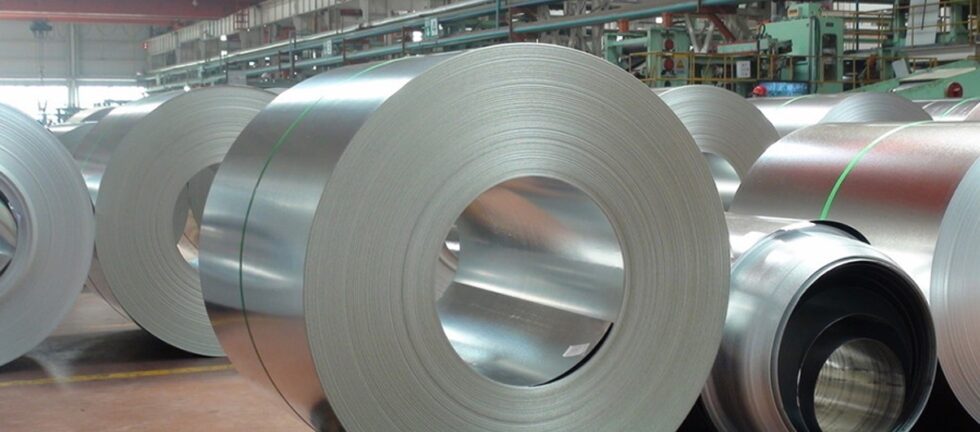
Aluzinc coils are known for their exceptional corrosion resistance, making them a go-to choice in areas exposed to extreme weather conditions. Combining aluminum, zinc, and silicon, these coils outperform traditional galvanized steel in several environments.
What Are Aluzinc Coils?
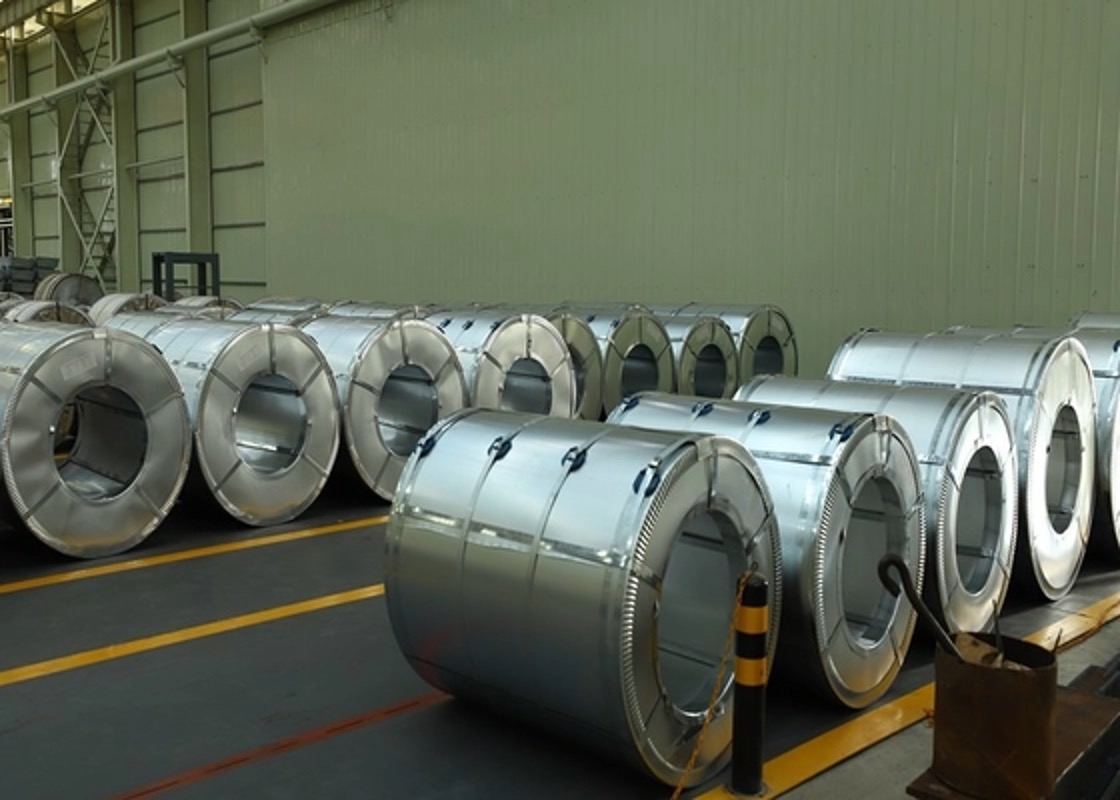
Aluzinc is a steel sheet coated with an alloy of 55% aluminum, 43.4% zinc, and 1.6% silicon. This composition offers the advantages of both aluminum (heat reflectivity and anti-corrosion) and zinc (self-healing properties).
Key Benefits in Harsh Conditions
- Superior Corrosion Resistance:
- Outperforms GI sheets in marine, coastal, and industrial environments
- Minimal surface rusting even after years of exposure
- UV and Heat Reflectivity:
- Reflects over 80% of solar heat
- Keeps internal building temperatures lower
- Self-Healing Coating:
- Zinc in the alloy helps repair minor scratches
- Maintains surface integrity longer than standard steel
- Long Lifespan:
- Expected life of 30+ years in moderate climates
- 15–20 years in marine/acidic areas
Ideal Applications of Aluzinc
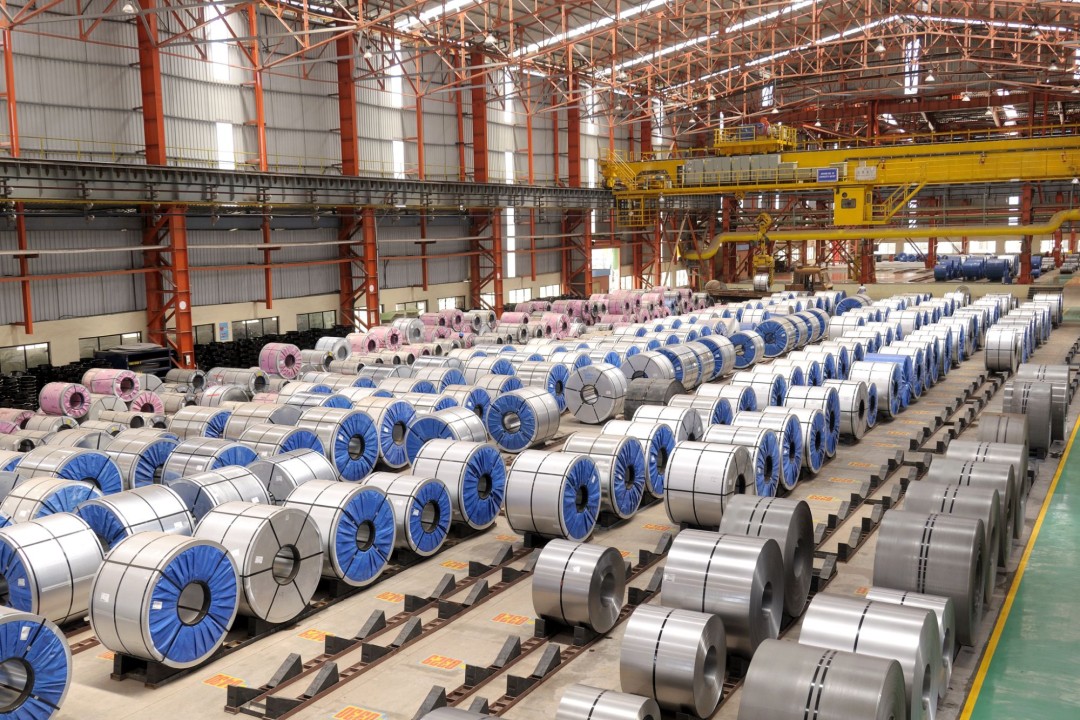
- Coastal warehouses and factories
- High-temperature zones
- Roofing for chemical plants or power stations
- Long-span roofing requiring high strength
Aluzinc vs. Galvanized (GI) Coils
Feature | Aluzinc Coils | GI Coils |
Corrosion Resistance | Excellent | Moderate |
Lifespan | 2x longer | Lower |
Cost | Slightly higher | Lower |
Reflectivity | Higher | Medium |
Conclusion:
Aluzinc coils provide unbeatable protection in challenging environments. Their higher upfront cost is balanced by longer life, less maintenance, and improved thermal performance, making them a smart investment for industrial roofing and cladding.